I can make it SEO-friendly, advertiser-safe, and suitable for Google AdSense-style publishing by using clear legal terminology, avoiding unsupported allegations, and organizing the article around high-value topics such as defamation, First Amendment issues, federal court procedure, and public-figure litigation.
Judge Dismisses Michael Wolff Lawsuit Against Melania Trump, Sending Legal Dispute Back to State Court
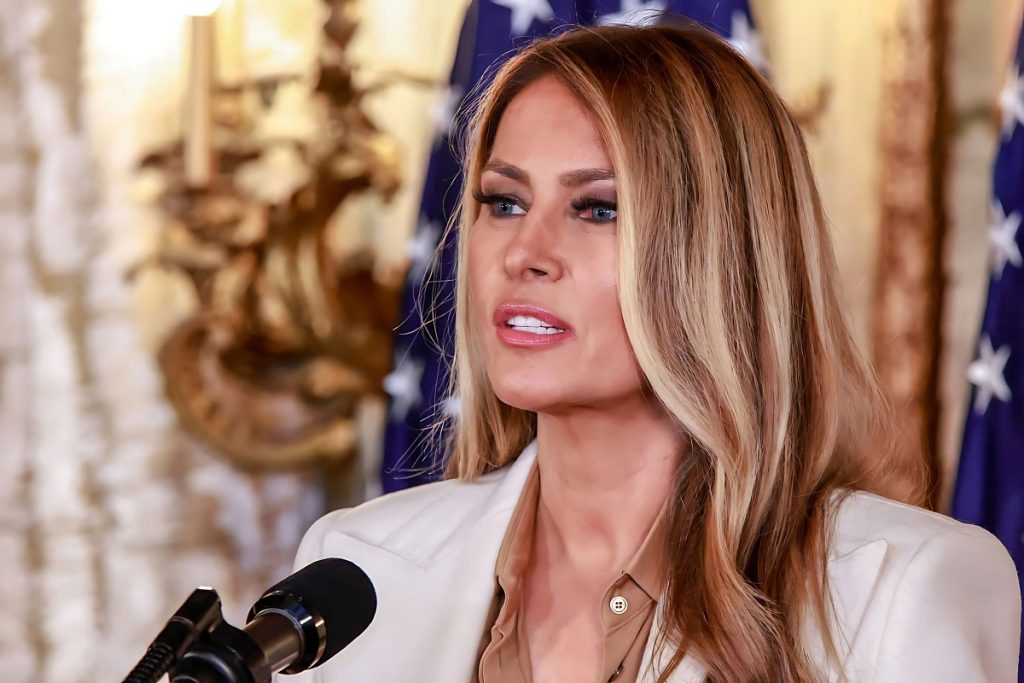
A federal judge has dismissed a lawsuit filed by journalist and author Michael Wolff against First Lady Melania Trump, ruling that the dispute should proceed through the appropriate state-court process rather than remain in federal court.
U.S. District Judge Mary Kay Vyskocil, who was appointed by President Donald Trump, said the case involved a genuine disagreement between the parties but criticized the way the litigation had been brought before the federal court.
The decision represents an important procedural development in a broader legal dispute involving alleged defamatory statements, free-speech protections, reputational harm, and threats of litigation involving a prominent public figure.
Federal Judge Declines to Keep the Case
During the proceedings, Judge Vyskocil described the litigation strategy as unnecessarily complicated and said the federal court should not be used to manage what she characterized as an improperly presented dispute.
Although the judge determined that the federal court had jurisdiction over the matter, she declined to exercise that jurisdiction and dismissed the case so it could be handled through the appropriate state-court process.
The ruling does not necessarily resolve the underlying disagreement between Wolff and Melania Trump. Instead, it determines where and how the dispute should be litigated.
That distinction is significant because a dismissal based on jurisdiction or procedural grounds is different from a ruling that definitively decides whether particular statements were defamatory.
How the Dispute Began
The legal dispute followed a letter from Melania Trump’s attorney to Wolff demanding that he remove statements concerning the former president and first lady.
According to the lawsuit, the letter warned that legal action could follow if the disputed statements were not removed.
Wolff subsequently filed a lawsuit in state court in October, seeking to challenge the legal threats and defend statements he said were protected by the First Amendment.
Melania Trump’s legal team later moved the case to federal court, where the jurisdictional question ultimately became a central issue.
Judge Vyskocil’s decision now sends the dispute back toward the state-court system.
Melania Trump Denies Epstein-Related Allegations
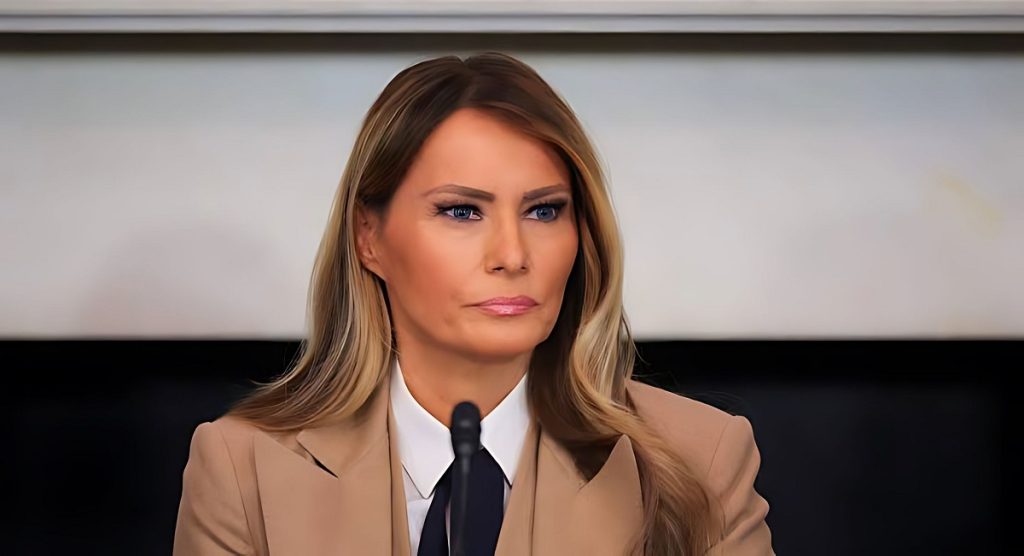
The controversy also involves statements concerning Jeffrey Epstein, the convicted sex offender who died in federal custody in 2019 while awaiting trial on federal sex-trafficking charges.
Melania Trump has repeatedly denied allegations suggesting that she had any involvement in Epstein’s criminal activities.
In previous public remarks, she strongly rejected what she described as false claims about her relationship with Epstein and argued that statements linking her to criminal conduct were damaging to her reputation.
Her legal representatives have maintained that certain statements made about her were false and caused substantial reputational and financial harm.
Because the case involves allegations about a public figure, questions surrounding defamation law and protected speech are particularly important. Public figures generally face a higher legal standard when attempting to establish defamation under U.S. law.
Wolff Challenges the Claims Against Him
Wolff has argued that some of the statements at issue were taken out of context or constituted protected opinion rather than factual allegations.
His lawsuit also challenged what he characterized as efforts to use expensive litigation threats to discourage criticism of the Trump family.
Among the statements referenced in the dispute were comments about the nature of Donald and Melania Trump’s marriage. Wolff maintained that certain remarks represented opinion and therefore fell within protections for speech concerning public figures.
The distinction between opinion and an objectively verifiable factual assertion can be significant in defamation litigation.
Earlier Article Was Retracted
The controversy also drew attention after The Daily Beast retracted a previous article concerning Melania Trump and Epstein.
The article was based in part on an interview with Wolff and included claims about Melania Trump’s alleged involvement in the broader Epstein controversy.
Following a legal demand from Melania Trump’s attorney, the publication withdrew the article.
Wolff has maintained that his comments did not accuse Melania Trump of participating in criminal activity. He has argued that some of his remarks were instead related to political and personal circumstances surrounding the Trump administration.
Melania Trump Continues to Defend Her Reputation
A spokesperson for Melania Trump said the first lady remains committed to challenging what she considers malicious and defamatory claims.
The dispute highlights the legal risks associated with publishing allegations about high-profile individuals, particularly when statements concern criminal conduct, personal relationships, or alleged misconduct.
For public figures, defamation cases can involve complex questions surrounding evidence, intent, reputation, and constitutional protections for speech.
Political Reactions Followed
The controversy also attracted responses from members of Congress.
Republican Representative Nancy Mace previously praised Melania Trump for speaking publicly about issues involving Epstein’s victims and for supporting legislation addressing the distribution of sexually explicit images without consent.
Other lawmakers also called for greater transparency surrounding the broader Epstein investigation.
Democratic Representative Robert Garcia, for example, supported calls for additional congressional scrutiny and urged lawmakers to hold public hearings concerning the government’s handling of Epstein-related information.
These reactions illustrate how the legal dispute has become connected to a much broader political debate over transparency, accountability, victims’ rights, and the release of information related to the Epstein case.
Why the Ruling Matters
The federal judge’s decision is primarily a procedural ruling, but it could have important consequences for the next stage of the dispute.
By declining to retain the case in federal court, Judge Vyskocil has effectively required the parties to pursue the matter through the appropriate state-level litigation process.
That could lead to additional arguments over defamation, protected speech, reputational damages, and the constitutional rights of journalists and public figures.
The case also demonstrates how jurisdiction can become a major issue in high-profile litigation. Before courts can determine whether statements violated the law, they must first establish that the case is properly before them and that the applicable procedural requirements have been satisfied.
What Happens Next?
The dismissal does not automatically mean that the disagreement between Wolff and Melania Trump is over.
Instead, the parties may continue addressing their underlying claims through state-court proceedings, subject to applicable procedural requirements and future rulings.
The broader dispute is likely to remain closely watched because it involves several issues that frequently arise in high-profile litigation: freedom of speech, defamation law, media responsibility, protection of reputation, and the legal rights of public figures.
For now, Judge Vyskocil’s ruling removes the case from federal court and redirects the dispute toward the state-court system, where the parties will have to determine their next legal steps.